Most families traveling to Kenya ask, can safari guests carry snacks? The honest answer is yes, with limits. A child gets hungry in the middle of a game drive. A sealed snack can fix that. The key is to understand Kenya’s wildlife rules before you pack the whole buffet.
Can safari guests carry snacks on a Kenya game drive?
Yes, safari guests can usually carry small personal snacks on a Kenya game drive, especially for children, medical needs, or long transfers. Keep food sealed in a day bag, follow the guide’s instructions, and take every wrapper back to camp. Rules can differ between national parks, conservancies, lodges, and border crossings.
The type of wildlife area matters. National parks such as Amboseli and Tsavo run on public gate rules. Private conservancies such as Ol Pejeta and Laikipia set their own policies. The Masai Mara mixes both, since the reserve sits beside community conservancies. Food on a game drive is not banned, but it is managed. Your guide will decide when a snack break is safe.
What snacks are best for children on safari?
Choose quiet, compact, non-perishable foods such as crackers, biscuits, granola bars, dried fruit, nuts, or a sealed sandwich. Avoid crumbly, sticky, leaking, strongly scented, or chocolate-based items in hot weather. Pack allergy-safe options separately, label them clearly, and tell the camp or guide about dietary needs before departure.
Kenya’s dry seasons are tough on messy foods. In cool weather, biscuits and sandwiches last well. In heat, dried fruit and crackers hold up better. These safari snacks for kids travel well in a 4×4 because they do not leak. Keep each item in a resealable bag. Open packets make more noise near wildlife. A full checklist is in our Kenya safari packing list.
When can guests eat snacks during a safari?
Guests should eat only when the guide confirms it is safe, normally inside a stationary vehicle or at an approved picnic, lodge, or sundowner stop. Never snack while walking near wildlife, during an unscheduled stop, or beside animals. Keep food and packaging contained because smells and scraps can attract baboons, monkeys, and other wildlife.
Sundowner stops are a normal part of many Kenya safaris. Bush breakfasts can happen too. Between those moments, keep snacks in your bag. Do not eat while the vehicle moves over a rough track, because dust and crumbs go everywhere. If the guide stops for a leopard sighting or a river crossing, food waits.
Do safari lodges and camps provide snacks?
Most full-service Kenya safari camps and lodges provide regular meals, drinking water, tea, coffee, and snacks such as cake or biscuits between activities. Families usually need personal snacks only for picky eaters, allergies, medical requirements, or long road transfers. Confirm the exact meal schedule and children’s options before packing heavily.
Most safari lodge meals are generous, but timetables vary. Some camps serve breakfast early, then lunch in the middle of the afternoon. That gap can feel long for a small child. Ask if the kitchen can make a simple lunch box. Many family camps allow you to pair snack breaks with kid-friendly activities at a Tsavo family camp. Confirm your camp’s policy before you load the day car.
How should families store snacks around wildlife?
Store snacks in airtight, resealable containers inside a closed bag, never in a tent, vehicle seat pocket, or open daypack overnight. Monkeys and baboons can enter rooms or tents and steal food, while strong smells may encourage unwanted animal visits. Ask camp staff where health-related snacks should be kept safely.
A monkey at Lake Nakuru knows how to open zippers. A baboon near Tsavo will pull open an unzipped bag. The habit to teach children is simple: food is only food when you are sitting at a meal or a snack break. Take leftovers to the trash bin, not the tent. A child’s first instinct may be to toss a biscuit to a monkey. Do not do that. Food scraps can make wild animals sick and can teach them to approach vehicles.
Water is part of the same plan. Before a long dry drive, read about safe water refills at an Amboseli safari lodge, because clean water is as important as the snacks.
What food and drink restrictions apply in Kenya?
Small packaged snacks are generally practical. Fresh meat, plants, large quantities of food, and some agricultural products may be restricted at borders or by specific facilities. Glass containers, alcohol, and outside catering may also be prohibited by an operator or attraction. Check the itinerary, park authority, accommodation, and border requirements before travel.
Kenya national park food rules focus on safety, not on banning a child’s crackers. Airport and border rules are stricter. Fresh fruit, unprocessed meat, and dairy from another country may not enter Kenya. Leave those at home. Packaged snacks with clear labels cause far fewer questions.
If allergies or medical diets are part of the trip, mention safari dietary restrictions at the time you book, not at the first dinner. The lodge can then secure items in a safe place. For other family health planning, revisit Kenya safari travel clinic timing before your departure date.
Compare Family Safari Packages
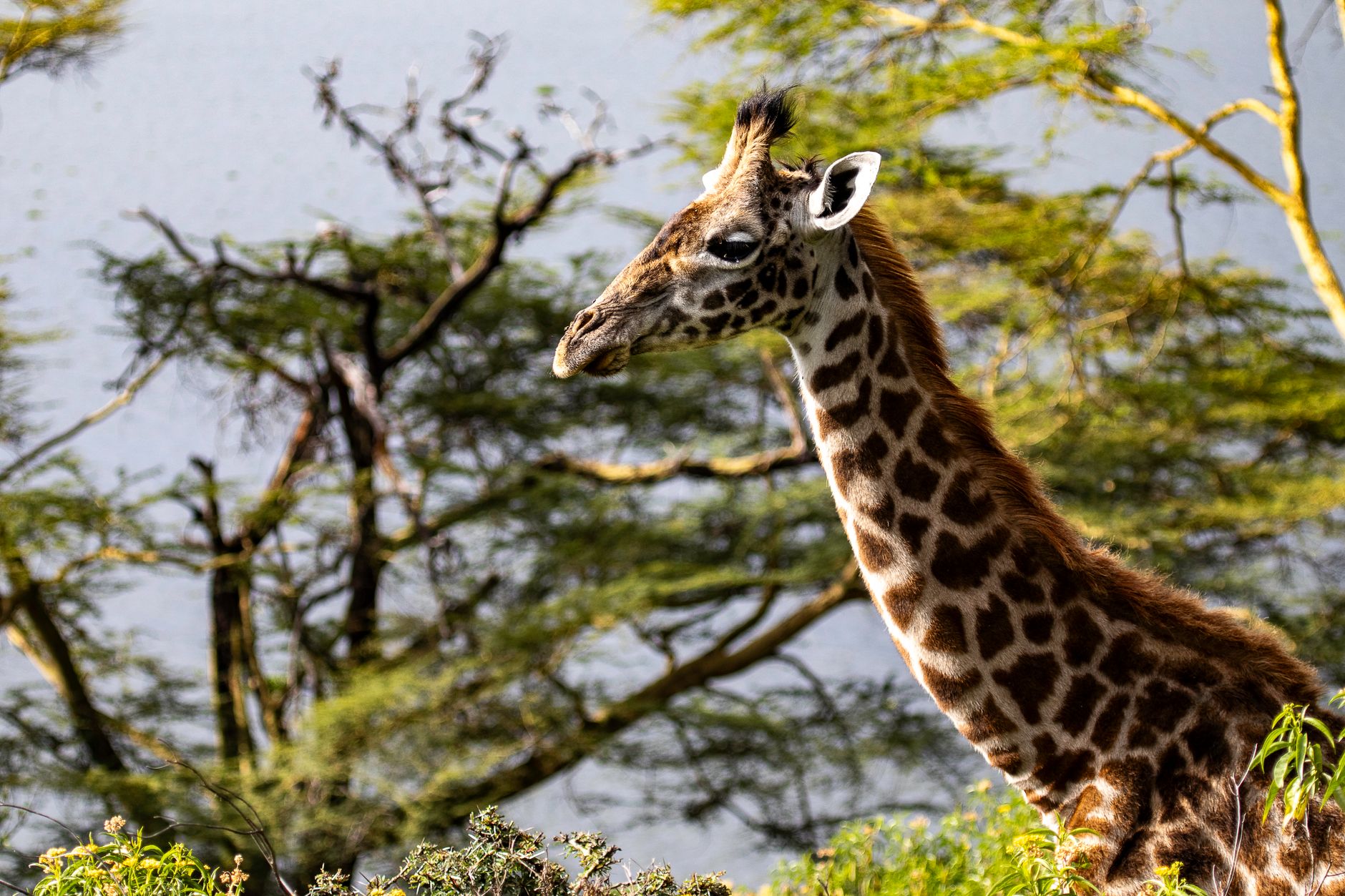
Once the snack plan is clear, turn your attention to the fun part: matching your family with the right camp and vehicle. Ask operators about children’s portions, picnic spots, and long transfer days. Compare safari operators at FindMySafari, browse packages from Valley Safaris, or review itineraries from Trunktrails Safaris. Then picture your kids at their first giraffe sighting. That image is worth more than any snack box.
More safari planning resources
- Kenya family safari from SafariPure
- Kenya wildlife tours from Trunktrails Safaris
- Nairobi to Maasai Mara route guide from Valley Safaris
- Family safari collection on FindMySafari